

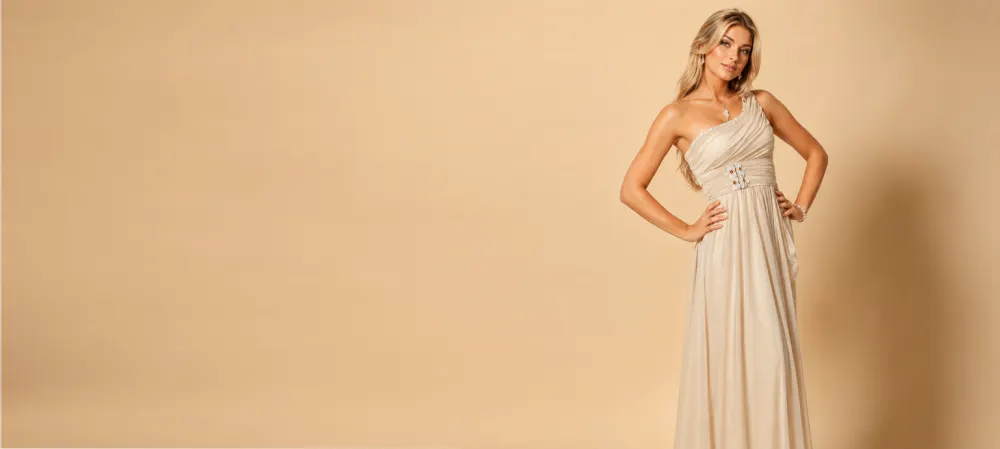
Dress Trends Are Tempting, but Will You Wear Them Next Year?
There it is, glowing from your screen: the dress everyone seems to be wearing. Its sleeves are dramatic, its color is suddenly everywhere, and every photograph makes it feel essential. You imagine the compliments, add it to your basket, and nearly press checkout. Then a quiet question arrives: will you still reach for it when the trend moves on? Fashion should feel exciting, not like a wardrobe regret waiting for a hanger. The answer is not avoiding trends completely. It is learning which ones belong in your story. Here is how to shop with curiosity, confidence, and tomorrow in mind.
When a Trend Starts Feeling Like a Need
A dress trend rarely enters your life quietly. First, you notice it on one feed. Then it appears in shop windows, outfit videos, advertisements, and conversations. Repetition causes familiarity, and familiarity can quickly feel like personal desire. By the fifth sighting, the dress no longer seems optional. It seems like the missing piece your wardrobe has been waiting for.
That feeling is powerful because trends sell more than fabric. They offer entry into a mood, moment, or community. A romantic ruffled dress may promise softness. A sharp cut-out style may suggest confidence. A particular print can make an ordinary weekend feel connected to something current.
None of this makes trend-driven shopping foolish. Clothing is allowed to be playful and timely. The problem begins when external excitement is mistaken for real compatibility. If the dress only makes sense inside a thoughtfully styled photograph, it may struggle in your everyday life.
Separate the Trend From the Dress
Imagine the dress without the dramatic campaign, fashionable accessories, flattering pose, and enthusiastic comments. Would the garment itself still appeal to you? This simple mental exercise separates design from presentation.
Look closely at its individual elements. Perhaps the over-sized sleeves are trendy, but the fitted waist is a shape you have worn for years. Maybe the current color caught your attention, yet the neckline and length are what truly suit your wardrobe. A trend can introduce you to a dress without being the only reason you purchase it.
Now reverse the exercise. Picture the same design in a less fashionable color or with quieter styling. If your interest disappears completely, the appeal may depend heavily on the moment. That is not an automatic rejection, but it deserves an honest pause.
A lasting purchase usually contains two layers: something timely enough to feel fresh and something familiar enough to feel like you. When both are present, the dress can evolve instead of expiring.
Ask Whether It Fits Your Real Calendar
Trends often arrive carrying an imaginary lifestyle. A shimmering mini dress suggests spontaneous parties. A sweeping countryside print evokes long lunches beneath ideal sunshine. A sharply tailored design promises invitations that require confident entrances.
Your calendar may tell a different story. Perhaps your weeks involve office days, family gatherings, casual dinners, and outdoor events where comfort matters. A dress designed for fantasy occasions can be thrilling, but it may remain untouched if those occasions never arrive.
Think about the next twelve months rather than one idealized evening. Identify three real settings where you could wear the dress. Consider the weather, dress codes, travel, movement, and footwear each setting requires. If the garment works across several real plans, it has a stronger choice of becoming a part of your life.
This doesn’t mean every purchase needs endless versatility. A spectacular dress for one meaningful event can justify its place. The important part is choosing consciously rather than pretending it will become an everyday staple.
Run the Three-Outfit Test
Before checkout, build three outfits around the dress using pieces you already own. Create one relaxed look, one polished look, and one suitable for a different season. This reveals whether the trend can speak your wardrobe’s language.
Change the shoes, outer layer, jewelry, and bag. A dramatic dress may feel approachable with flat sandals and a denim jacket, then become occasion-ready with heeled shoes and refined accessories. A simple trending silhouette may shift easily between work and weekends.
If every outfit requires new purchases, calculate the real commitment. The dress is no longer one item; it is the beginning of an entire styling project. That can be worthwhile when you actually want a new direction, but it shouldn’t arrive as a surprise.
Also notice whether your wardrobe already contains a similar dress. A slightly different sleeve or trending shade may not create enough new possibility. The strongest addition should open combinations rather than compete with something you already enjoy wearing.
Recognize the Details That Date Quickly
Some trend features announce their season loudly. Highly distinctive cut-outs, exaggerated proportions, novelty prints, unusual trims, and viral color combinations can become closely associated with a brief moment. Their visibility creates excitement, but it may also shorten how fresh they feel.
That doesn’t mean you must avoid statement details. Instead, decide whether you love the feature independently of its popularity. If you have always enjoyed volume, an over-sized sleeve may remain authentic long after attention moves elsewhere. If you rarely wear prints, a viral pattern may feel disconnected once its novelty fades.
Consider scale as well. A subtle interpretation often lasts longer than a head-to-toe version. A gently puffed sleeve can capture the mood without controlling the entire dress. A fashionable color within a familiar silhouette may be easier to restyle than several dramatic elements combined.
The question is not whether a detail will become unfashionable. Nearly everything moves through cycles. Ask whether you will still enjoy it when fewer people are wearing it.
Choose a Wearable Version of the Trend
You don’t need to choose between following a trend completely and ignoring it altogether. Look for a version adjusted to your comfort, proportions, lifestyle, and established taste.
If transparent fabrics interest you but feel impractical, try a lined dress with sheer sleeves. If neon color attracts you, choose a smaller print or a deeper variation. If a very short hem feels unlikely to leave your wardrobe, explore the same silhouette at midi length.
This translation process protects the excitement while improving usefulness. It also prevents the dress from feeling like a costume. The closer the trend sits to your existing style, the easier it becomes to combine with familiar accessories and wear confidently.
Retailers often offer several interpretations of the same movement. Compare them instead of buying the first viral example you see. The goal is not to reproduce an image exactly. It is to identify the detail that sparked your interest and make it work for your life.
Give Yourself a Waiting Window
Save the dress, close the page, and return after forty-eight hours. During that time, check your wardrobe, imagine outfits, and consider upcoming occasions. If excitement remains and practical answers become clearer, the purchase has survived beyond the initial rush.
If the item sells out, disappointment may reveal real desire, but it can also be the sting of scarcity. Remember that trends produce many similar options. Missing one dress rarely means missing the entire look.
A waiting window changes the emotional balance. You return as a decision-maker rather than a hurried spectator. That difference can protect both your budget and your wardrobe space.
Buy for Next Year Without Dressing for Yesterday
Longevity doesn’t require choosing only plain or traditional dresses. It actually comes from alignment. A dress lasts when its shape suits you, its fabric supports your routine, its color connects with your wardrobe, and its personality continues to spark interest.
Before buying, ask five questions. Would I notice this without the trend? Can I style it three ways? Does it fit my calendar? Is it comfortable? Would I wear it if nobody recognized it as fashionable?
If the answer is yes, the trend may have introduced you to an actual favorite. If hesitation gathers around every question, enjoy the inspiration and keep looking. Another dress can deliver the same freshness with a stronger connection to your life.
The future of your wardrobe is shaped at checkout. Choose excitement that has somewhere to go, trends that speak your language, and dresses that invite other outing. Next year, the label my no longer matter. What will matter is whether you still smile before slipping the dress over your head.