

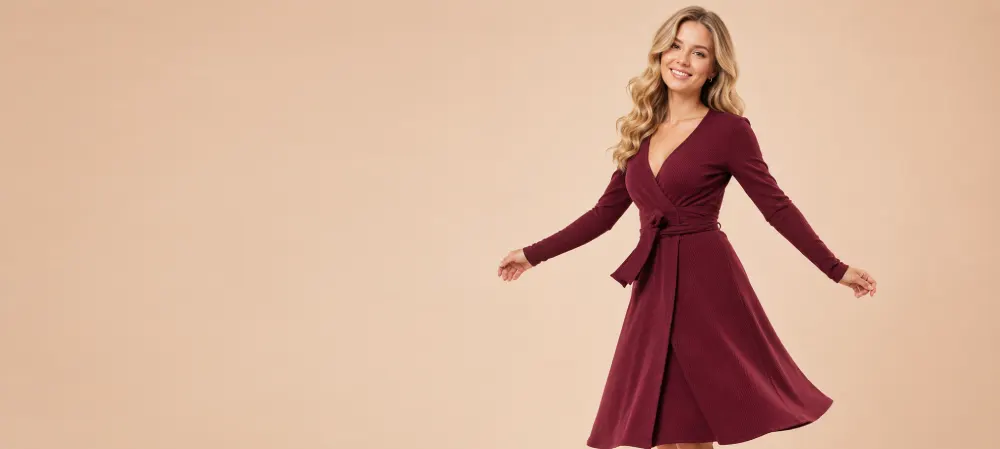
Your Dress Is Not the Problem: Try These Styling Tricks
You know the scene. The dress looked irresistible on the hanger, promising compliments, confidence, and an effortless entrance. Then you tried it at home, faced the mirror, and felt the charm disappear. Before blaming the cut, color, or your body, pause. The dress may not be failing at all. It may simply be waiting for the right styling story. A shifted waistline, sharper shoe, clever layer, or unexpected accessory can change everything. This guide reveals how to rescue forgotten dresses, refresh familiar favorites, and turn “nearly right” into “where did you get that” without replacing your wardrobe again today.
The Mirror Is Only Showing an Unfinished Look
Every memorable outfit begins before it appears complete. Yet shoppers often judge a dress in isolation, under flat bedroom lighting, with everyday underwear, bare feet, and no accessories. That is like a judging a room before the furniture arrives. The foundation may be strong, but the atmosphere has not been created.
Imagine pulling out a midi dress you brought for a dinner that never happened. Its shape feels plain now, and the neckline seems less exciting than you remembered. Add a structured belt, pointed shoes, and earrings that catch the light, however, and the same dress suddenly has direction. Nothing about the garment has changed. The visual conversation around it did.
Before sending a dress to the back of the wardrobe, ask what the outfit is missing. Does it need definition, contrast, movement, texture, or personality? Once you identify the missing element, styling becomes guesswork and like problem-solving. Better still, you begin shopping with greater intention because you understand how each piece can work with what you already own.
Start with the Right Foundation
The secret to a polished dress outfit often sits beneath the fabric. An unsuitable bra can distort a neckline, visible seams can interrupt a smooth silhouette, and straps can distract from thoughtful detailing. These small issues may convince you that the dress fits poorly when the foundation is creating the problem.
Choose undergarments according to the dress rather than habit. A seamless option can help fitted fabric fall cleanly. A strapless or convertible bra may give an open neckline the space it needs. For lightweight materials, neutral shades close to your skin tone generally remain less visible than white.
Comfort matters equally. If you spend the day pulling, adjusting, or holding your breath, the outfit cannot feel effortless. The right foundation should support the dress while allowing you to move naturally. When the base works, posture changes, confidence rises, and the garment begins to look intentional.
Give the Waist a Clear Point of View
A dress can lose its impact when its proportions feel undefined. This doesn’t mean every shape needs to cling to the body. It means the eye sometimes need a clear place to land.
A belt is the obvious answer, but it is not the only one. Try knotting a lightweight shirt at the waist over a simple slip dress. Add a cropped jacket that ends near your natural waist. Choose a cross-body bag with a strap length that creates a subtle diagonal line. Even pushing up the sleeves of a short dress can reveal the waist more clearly by changing the balance between the skin and fabric.
Experiment with belt placement, too. Wearing one slightly above the natural waist can lengthen the lower body, while a lower placement may create a relaxed mood. Thin belts whisper; wide belts make a stronger statement. Match the belt to the dress for quiet shaping, or choose contrast when you want the accessory to dominate.
Let Your Shoes Rewrite the Mood
Shoes do more than finish an outfit. They tell people how to read it. The same floral midi can feel playful with trainers, polished with slingbacks, relaxed with flat sandals, or dramatic with tall boots. When a dress feels wrong, the shoes may simply be telling the wrong story.
Pay attention to visual weight. A delicate dress paired with heavy footwear creates deliberate contrast, but it can also feel unbalanced if no other element supports that choice. Repeat the weight through a substantial bag, bold belt, or structured jacket. Likewise, sleek shoes often pair naturally with clean accessories and refined layers.
Consider where the hem meets your leg. Certain ankle straps can visually shorten the line, while a low vamp or pointed toe can create length. These are not rigid rules. They are tools you can use depending on the effect you want. Take a mirror photo in several shoe options. The camera often reveals proportion more clearly than a quick glance.
Layer Without Hiding the Dress
Layering can rescue a dress that feels too formal, too revealing, too seasonal, or simply too familiar. The goal is not to bury it. The goal is to introduce a fresh frame.
Slip a fitted knit beneath a sleeveless dress for cooler days. Wear an open shirt over a fitted style to soften its outline. Add a tailored blazer when the dress needs authority, or a denim jacket when it needs ease. A cropped cardigan can create gentle definition, while a long coat can add a striking vertical line.
Texture also brings depth. Pair satin with knitwear, crisp cotton with soft suede, or a smooth jersey dress with a woven bag. When colors remain simple, contrasting textures stop the outfit from looking flat.
Use Accessories as Punctuation
Accessories should complete the sentence, not shout over every word. If your dress has a busy print, choose pieces that echo one color or shape from the pattern. If the dress is minimal, accessories have room to become the main event.
Begin with one focal point. It might be sculptural earrings, a vibrant bag, a silk scarf, or a necklace that complements the neckline. Then allow the remaining pieces to play the supporting roles. When every accessory demands attention, the eye has nowhere to rest.
Necklines offer useful guidance. A pendant can lengthen the look of a rounded or open neckline. Statement earrings may suit a high neck that leaves little room for a necklace. A scarf tied to handbag adds color without crowding the face. Even sunglasses can shift for a simple dress toward playful, mysterious, or retro territory.
Do not overlook practical accessories. A thoughtfully chosen bag changes proportion as well as function. Small bags can make a evening look feel refined, while roomy totes introduces daytime ease. The accessory is not merely carrying your belongings; it is helping define the destination.
Style for the Occasion You Actually Have
A dress can feel disappointing when it is styled for an imaginary event rather than the day ahead. That sequined number doesn’t need to wait for a grand invitation. A casual jacket and understated flats can bring it into an evening meal. A relaxed dress can attend a celebration with polished heels, luminous jewelry, and a compact bag.
Think in terms of dress codes, weather, movement, and mood. Will you stand for hours? Walk outdoors? Move between air-conditioned rooms and warm streets? These details guide smarter styling choices and help you feel prepared rather than costumed.
Versatility is also a persuasive reason to shop differently. Before purchasing, imagine three complete outfits using the pieces you own. If the dress can move between settings through footwear, layers, and accessories, it earns a more active place in your wardrobe.
Your Wardrobe Deserves a Second Look
The dress hanging quietly at the back of your wardrobe may not be a mistake. It may be an unfinished idea. Styling gives you the power to change its mood, improve its proportions, and make it relevant to the person you are now.
Set aside an hour and create a private fitting session. Bring out the dresses you rarely wear, gather shoes and accessories, and also test combinations without judging the first attempt. Save photographs of successful looks so future dressing looks easy.
When a gap becomes obvious, shop with purpose. Seek pieces that unlocks several outfits, complement your lifestyle, and add a voice your wardrobe currently lacks. The right new arrival should not merely look appealing alone. It should help everything around it work harder.
Your next unforgettable outfit may already be waiting. Give the dress another chance, change the supporting details, and allow the mirror show you a different ending.